Follow us

Dafeybhir Pass Trek

Home - Trekking in Sikkim - Dafeybhir Pass Trek in Sikkim

Dafeybhir Pass Trek

Duration

9 Days Trek

Difficulty

Moderate

Price

₹ 21,999.00 (INR)

Trek Overview

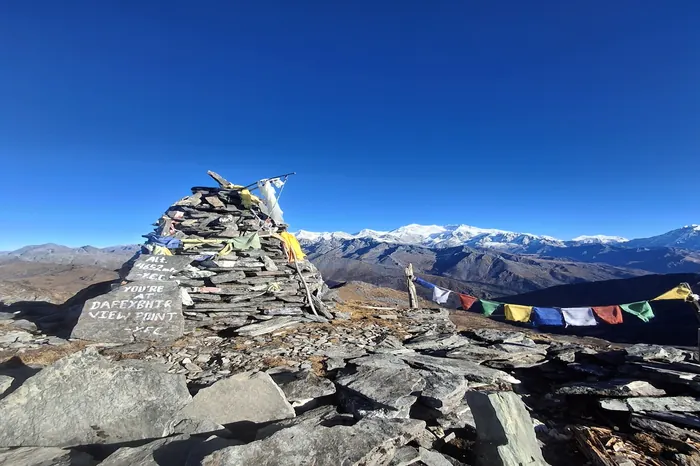
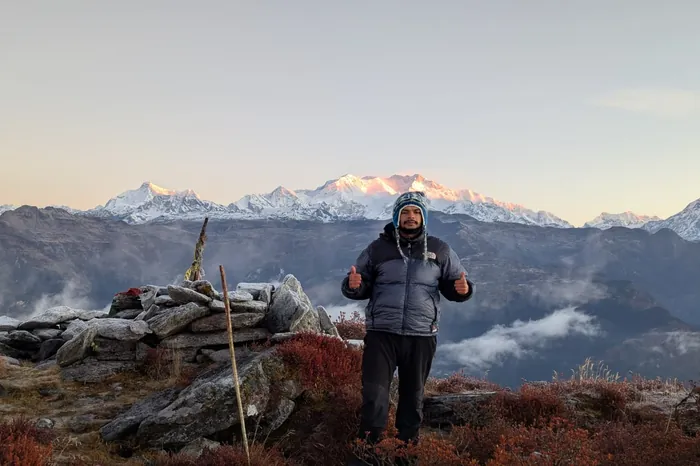
Embark on an exhilarating multi-day trek to Dafeybhir Pass, a remote high-altitude gem along the Singalila Ridge offering stunning panoramic views of the Kanchenjunga Sleeping Buddha formation and distant Himalayan giants.
Organised by local Sikkim operators, this offbeat adventure starts from Uttarey, traversing rhododendron forests, alpine lakes, rocky ridges, and pristine valleys to breathtaking sunrise vistas at Dafeybhir Pass.
Perfect for experienced trekkers seeking solitude and epic scenery in 9–11 days, it promises unforgettable mountain panoramas, crisp air, and a true sense of Himalayan achievement.

Itinerary Details

Day 1
  • Start Point: Mochilero Ostello
  • Duration: Full day (approx. 7–9 hours drive to Uttarey; total ~7–9 hours including breaks)
  • End Point: Uttarey (homestay/lodge at ~2,000–2,650 m)
  • Drive from Mochilero Ostello to Uttarey via scenic routes through West Sikkim; arrive, check permits, acclimatize, and explore the village; overnight in homestay/lodge.
Day 2
  • Start Point: Uttarey
  • Duration: 5–6 hours trek (moderate ascent)
  • End Point: Chittrey / Chewabhanjang (camp at ~3,100 m)
  • Trek uphill through rhododendron and oak forests in Barsey Rhododendron Sanctuary to Chittrey or Chewabhanjang border area; overnight camp with first ridge views.
Day 3
  • Start Point: Chittrey / Chewabhanjang
  • Duration: 6–8 hours trek (steep sections)
  • End Point: Gairi / Dhor (camp at ~3,500–3,800 m)
  • Continue ascent via high ridges and meadows to Gairi or Dhor campsite; enjoy alpine terrain and distant peak glimpses; overnight in tents.
Day 4
  • Start Point: Gairi / Dhor
  • Duration: 5–7 hours trek (gradual to moderate)
  • End Point: Pahari Megu / Meghuthang (camp at ~3,900 m)
  • Trek through open valleys and rocky paths to Pahari Megu or similar high camp; acclimatize further amid pristine wilderness; overnight camp.
Day 5
  • Start Point: Pahari Megu / Meghuthang
  • Duration: 6–7 hours trek (steady ascent)
  • End Point: Lampokhri (camp at ~4,200–4,400 m)
  • Ascend to Lampokhri area via high lakes and alpine meadows; set up base camp near the first glacial lakes; overnight in tents for high-altitude rest.
Day 6
  • Start Point: Lampokhri
  • Duration: Full day (pre-dawn push + exploration; 5–7 hours round trip)
  • End Point: Lampokhri
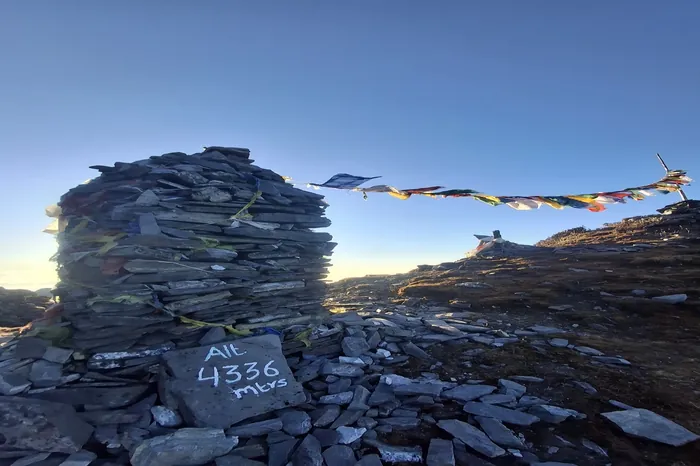
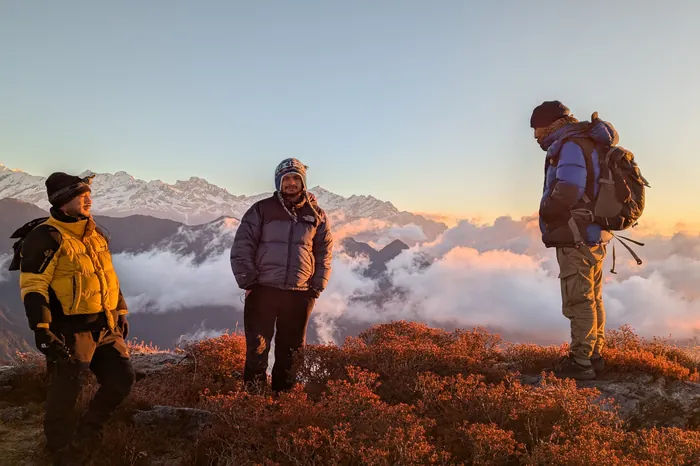
  • Early morning trek to Dafeybhir Pass (~4,530–4,635 m) for sunrise views of Kanchenjunga Sleeping Buddha and distant peaks (Everest, Lhotse, Makalu); explore nearby alpine lakes (Lampokhri, Jumley Pokhri, etc.); return to camp; overnight rest.
Day 7
  • Start Point: Lampokhri
  • Duration: 6–8 hours descent (moderate downhill)
  • End Point: Naya Patal / Yambong area (camp at ~2,500–3,750 m)
  • Descend via the same or variant path through ridges and forests to lower camps like Naya Patal; overnight camp to ease altitude transition.
Day 8
  • Start Point: Naya Patal / Yambong area
  • Duration: 5–7 hours descent + short drive if needed
  • End Point: Uttarey (homestay/lodge)
  • Continue downhill trek through scenic valleys to Uttarey; relax, celebrate, and overnight in homestay/lodge for recovery.
Day 9
  • Start Point: Uttarey
  • Duration: Full day (approx. 7–9 hours drive back; total ~7–9 hours)
  • End Point: Mochilero Ostello
  • Morning drive from Uttarey back to Mochilero Ostello (via Pelling/Gangtok route if applicable), arriving by evening for rest and trip conclusion.
Best Time to Visit

The best time to visit Dafeybhir Pass (for the trek and sunrise views over the Kanchenjunga Sleeping Buddha formation) is from April to May (spring) and October to November (autumn), when the weather is pleasant, skies are mostly clear, rhododendrons bloom vibrantly in spring, and you get the clearest panoramic views of Kanchenjunga, Everest, and surrounding peaks.

Monsoon months (June to September) should be avoided due to heavy rainfall, slippery trails, landslides, and poor visibility.

Trek Highlights

Included in Trek

FAQs
What is the best time to do the Dafeybhir Trek?

The best time to do the Dafeybhir Pass hike is from April to May (spring) and October to November (autumn), when the weather is pleasant, skies are mostly clear, rhododendrons bloom vibrantly in spring, and you get the clearest panoramic views of the Kanchenjunga Sleeping Buddha formation and distant Himalayan peaks.

Monsoon months (June to September) should be avoided due to heavy rainfall, slippery trails, landslides, and poor visibility.

How difficult is the trek?

The trek is moderate, making it suitable for beginners with a basic fitness level. However, since it involves night trekking and steep ascents, some prior hiking experience is recommended.

What should I carry for the hike?
  • Comfortable hiking shoes
  • Warm clothing (as temperatures drop at night)
  • Headlamp/torch (mandatory for night trekking)
  • Water bottle & energy snacks
  • A small backpack
  • Camera/phone for capturing the stunning sunrise
Is prior trekking experience required?

No, prior trekking experience is not required, but a decent level of fitness is necessary as the trek involves continuous walking for 5-6 hours uphill.

Will there be a guide with us?

Yes, Mochilero Aventura provides expert local guides who ensure a safe and enjoyable trekking experience.

Can I join solo or do I need to be in a group?

Both solo travelers and groups are welcome! Solo trekkers can join existing batches to meet fellow adventurers.

Is transportation provided to the starting point?

Trekkers must reach the starting point on their own. Mochilero Aventura can assist in arranging transport if needed.

How do I book the trek?

You can book your trek via Mochilero Aventura’s official website, social media, or contact with our chat support for reservations and enquiries.

Book Trek